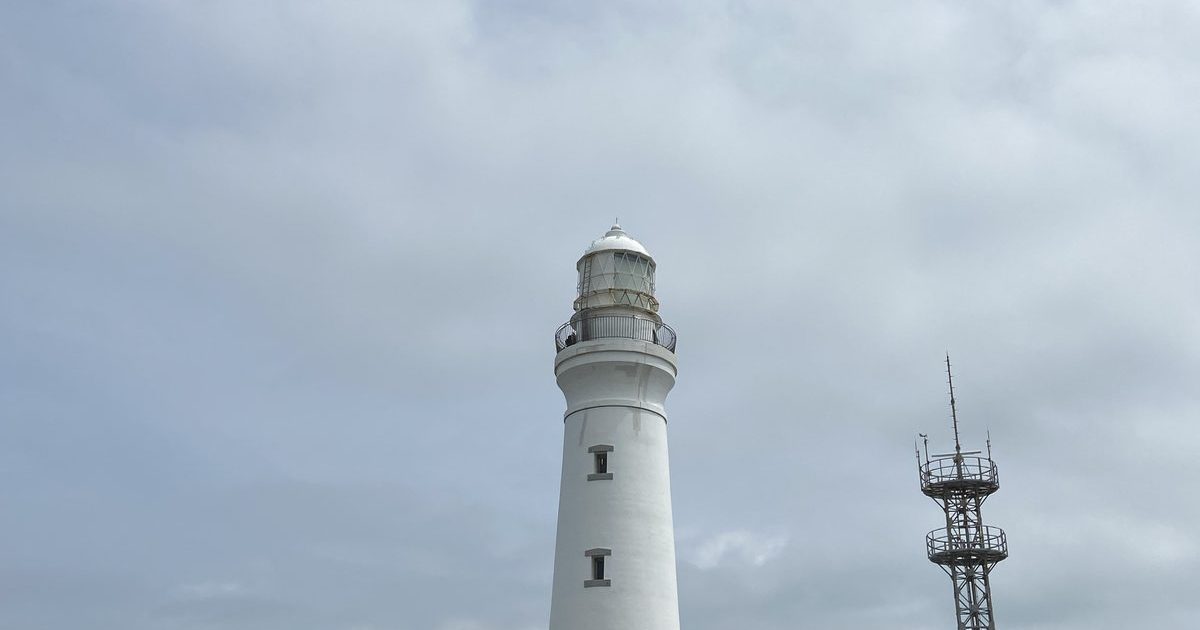
Choshi: A Tiny Train to the Lighthouse at Kanto's Edge
Ride the tiny Choshi Electric Railway to Inubosaki Lighthouse: 99 spiral steps, a ¥300 ticket, big Pacific views — plus wet senbei and a sardine arrabbiata by the beach.
A preserved Edo merchant town on a willow-lined canal, right by Narita Airport: sleep in a restored merchant house, meet the man who mapped Japan on foot, and finish at mighty Katori Jingu.
Here is a thought for your first night in Japan: don’t fight your jet lag all the way into Tokyo. Sawara — thirty minutes by car from Narita Airport, about an hour by train with one easy change at Narita Station — is a preserved Edo-period merchant town along a willow-lined canal: quiet, deeply Japanese, with one of eastern Japan’s greatest shrines next door, and you can sleep there in a restored merchant house. I spent an April afternoon on its canal street and left wondering why it isn’t famous.
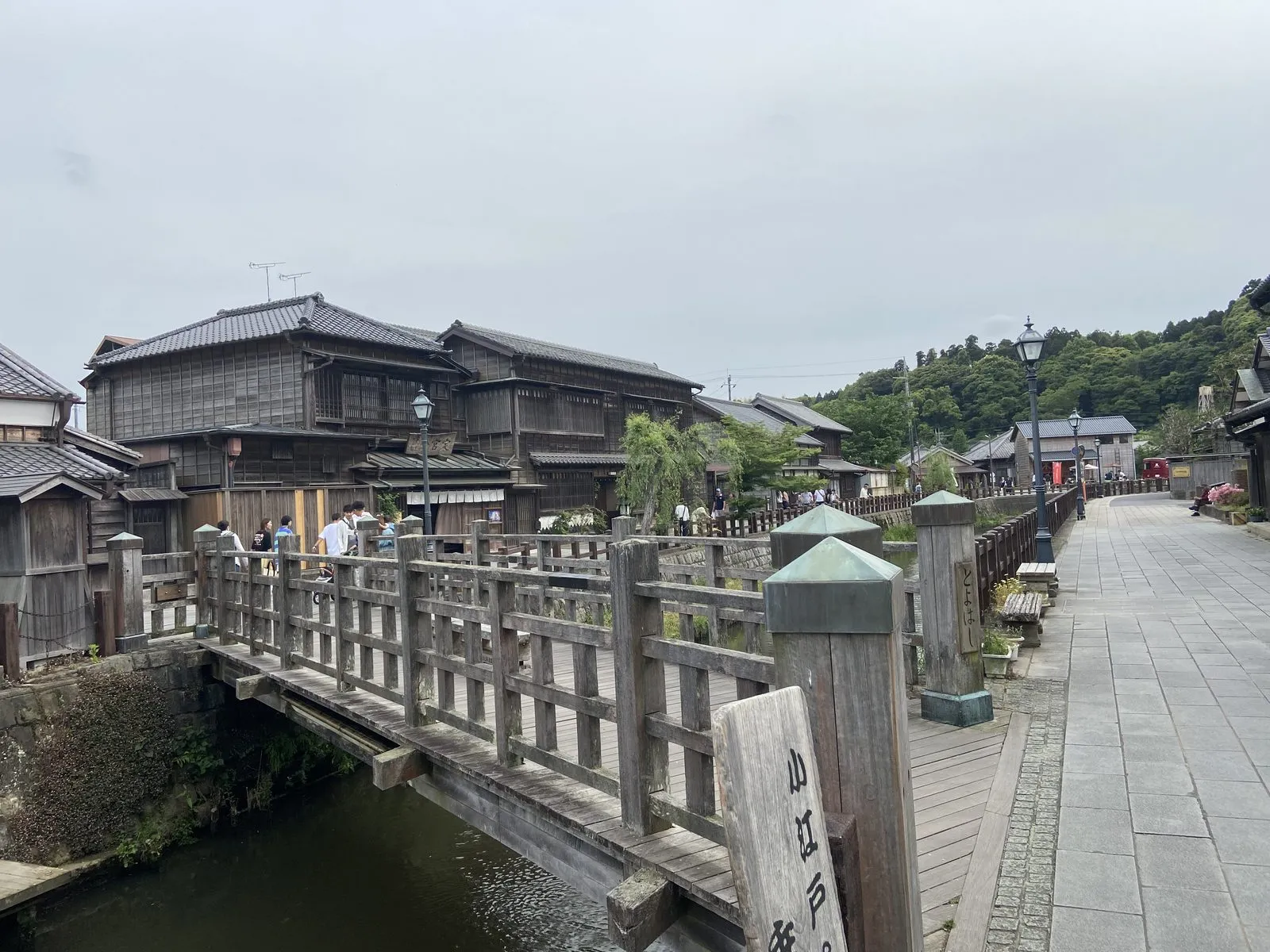
The Ono River through Sawara: wooden shopfronts, stone banks, and barely a crowd — on a Golden Week holiday, no less.
The historic quarter hugs both banks of the little Ono River. Willows lean over the water, old kura storehouses and shuttered shopfronts line the walk, and the sightseeing boats slide by below eye level (I skipped the boat; the towpath gives you the same street for free).
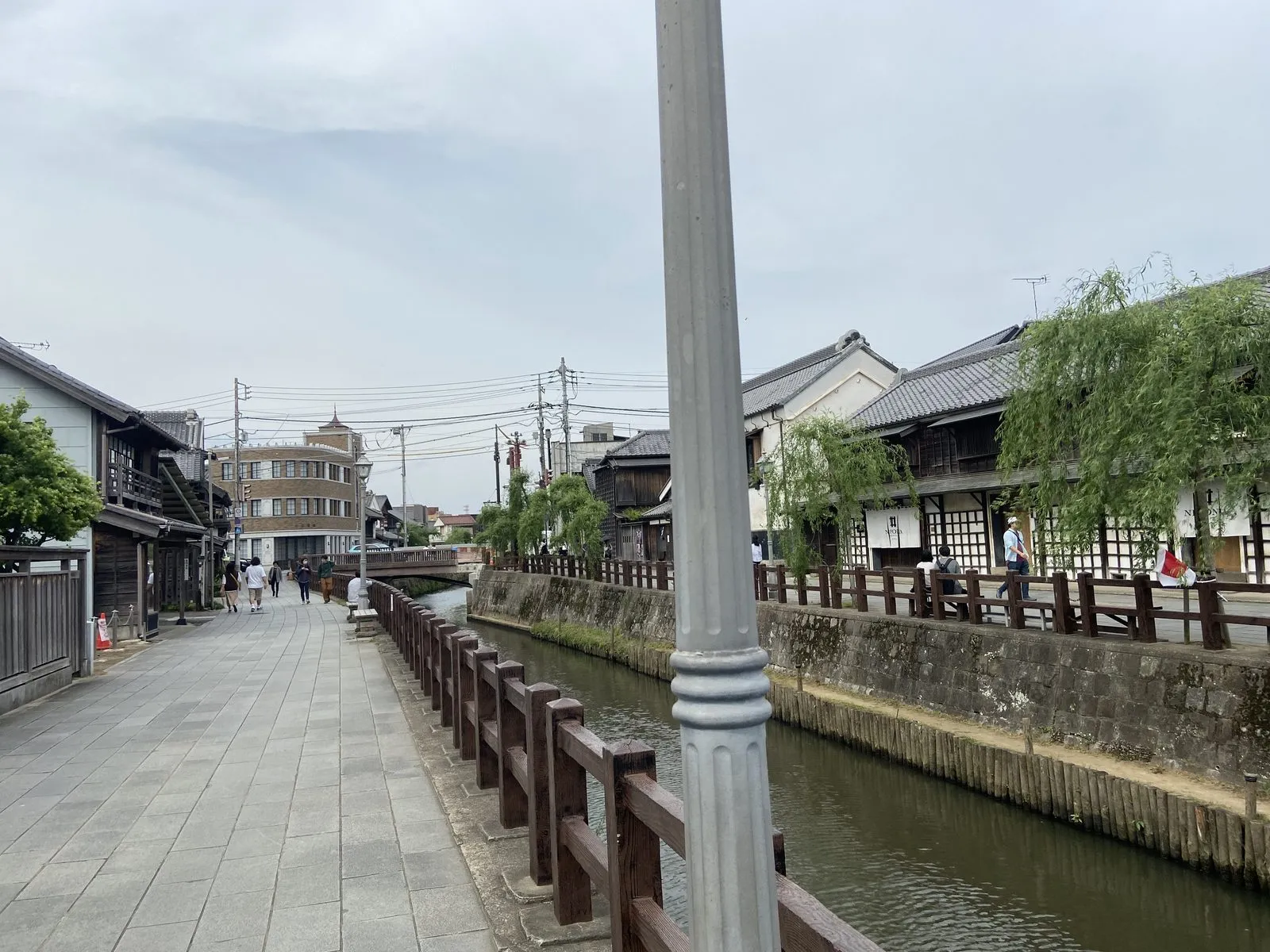
The canal walk. The round brick building far ahead is the 1914 Mitsubishi-kan bank.
The street walk itself takes about an hour — that is what I gave it, and it fits. But treat the hour as the minimum dose, not the prescription; the next section is why.
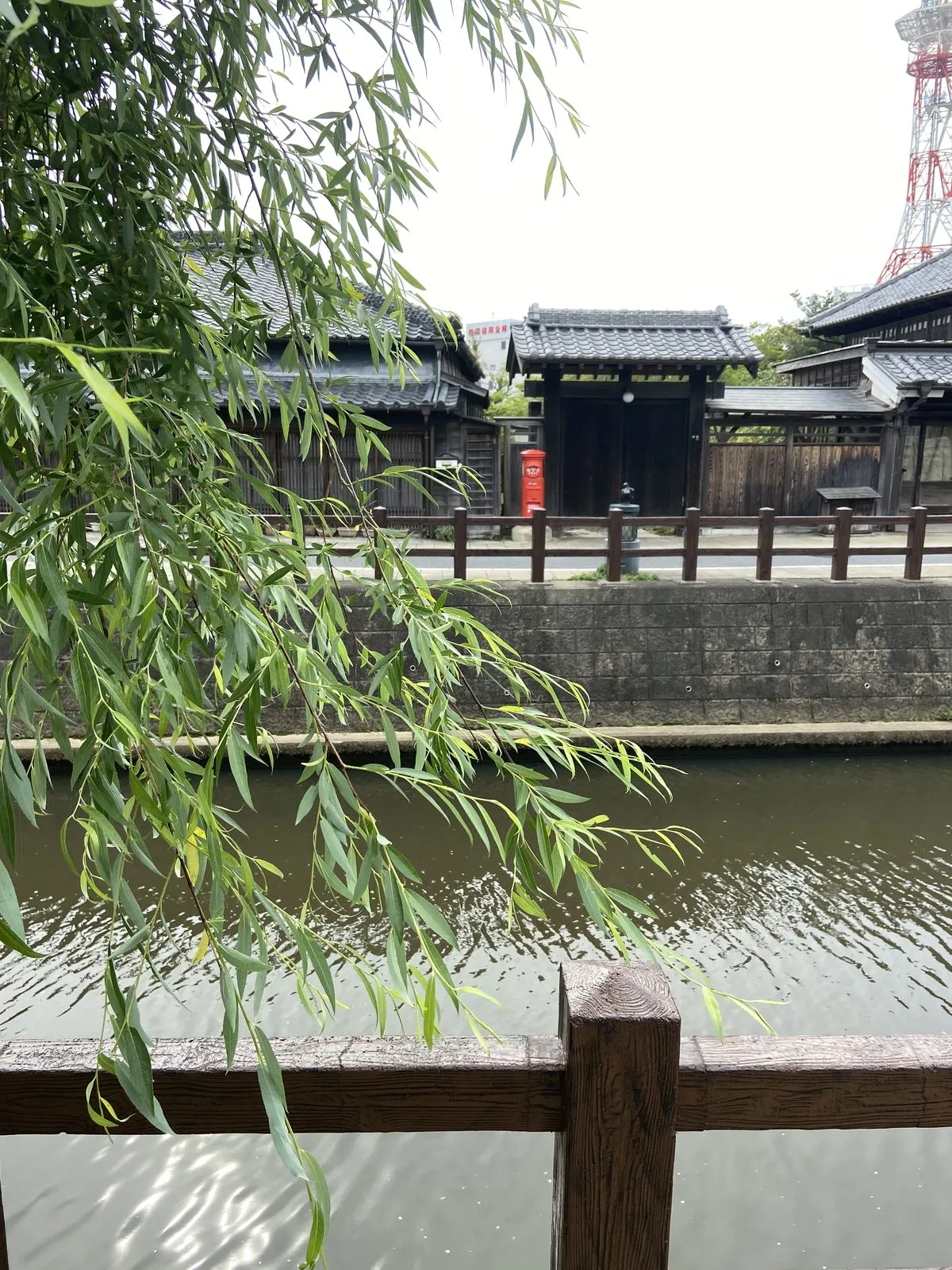
Willow, canal, and one very red postbox.
My favorite moment happened inside Namiki Nakanosuke Shoten, an old sundries shop where I bought a small omikuji pouch: the shopkeeper sat on tatami and totaled my purchase on a soroban — an abacus. No register in sight. It was the most Edo-period thing I saw all day, and it wasn’t in any guidebook.
Several of Sawara’s old merchant buildings have been restored into places you can actually stay — most notably the NIPPONIA operation, which scatters its hotel rooms through renovated houses in the historic quarter. That upgrades Sawara from a stopover into something better: land at Narita, be inside an Edo townscape within the hour, sleep under old beams, and have the canal to yourself at dawn before the day visitors arrive. As a soft landing into Japan — or a final night that actually feels like Japan — it beats an airport hotel by a distance. I walked it as a day visit; the overnight is the version I am planning next time.
Sawara’s great son is Ino Tadataka, the merchant who retired at 55, learned astronomy, and then spent seventeen years walking the length of Japan to draw its first accurate map. His statue and a golden quadrant — the instrument he used to shoot the stars — stand by the canal outside the museum devoted to him.
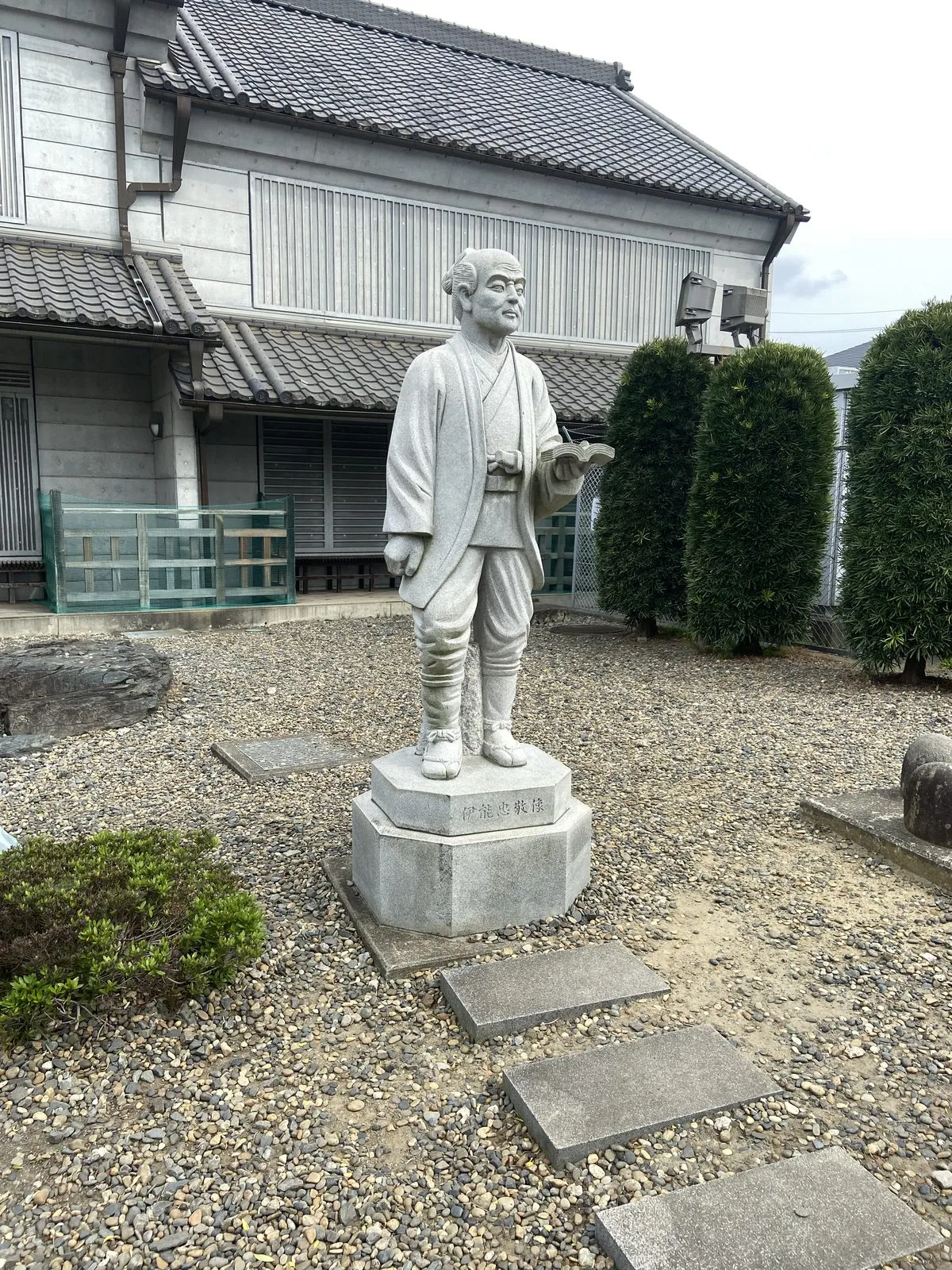
Ino Tadataka, mid-stride, notebook in hand — as he spent seventeen years.
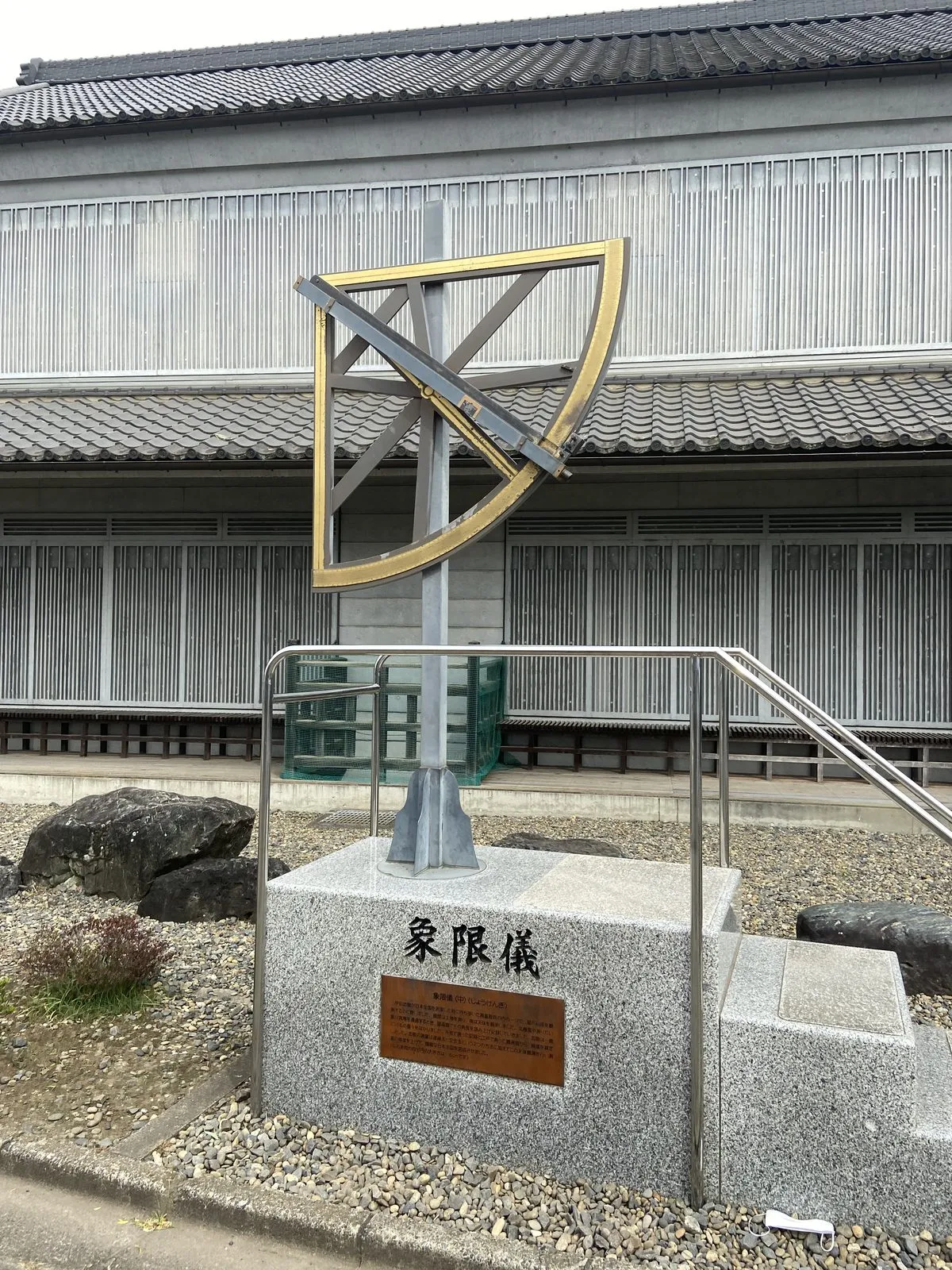
The quadrant: how you map a country before satellites.
I’ll admit it plainly: this site is named after the Japanese idiom for “carrying your own feet somewhere,” so Ino — who mapped the entire country by carrying his — is something like its patron saint. I didn’t go into the memorial museum this time; the statue was a pilgrimage on its own.
A short drive from the canal stands Katori Jingu, head shrine of hundreds of Katori shrines across Japan and one of the Kanto’s most venerable. The approach is half the pleasure: a lane of shops where I bought kusa-mochi — chewy mugwort rice cakes — and ate them warm.
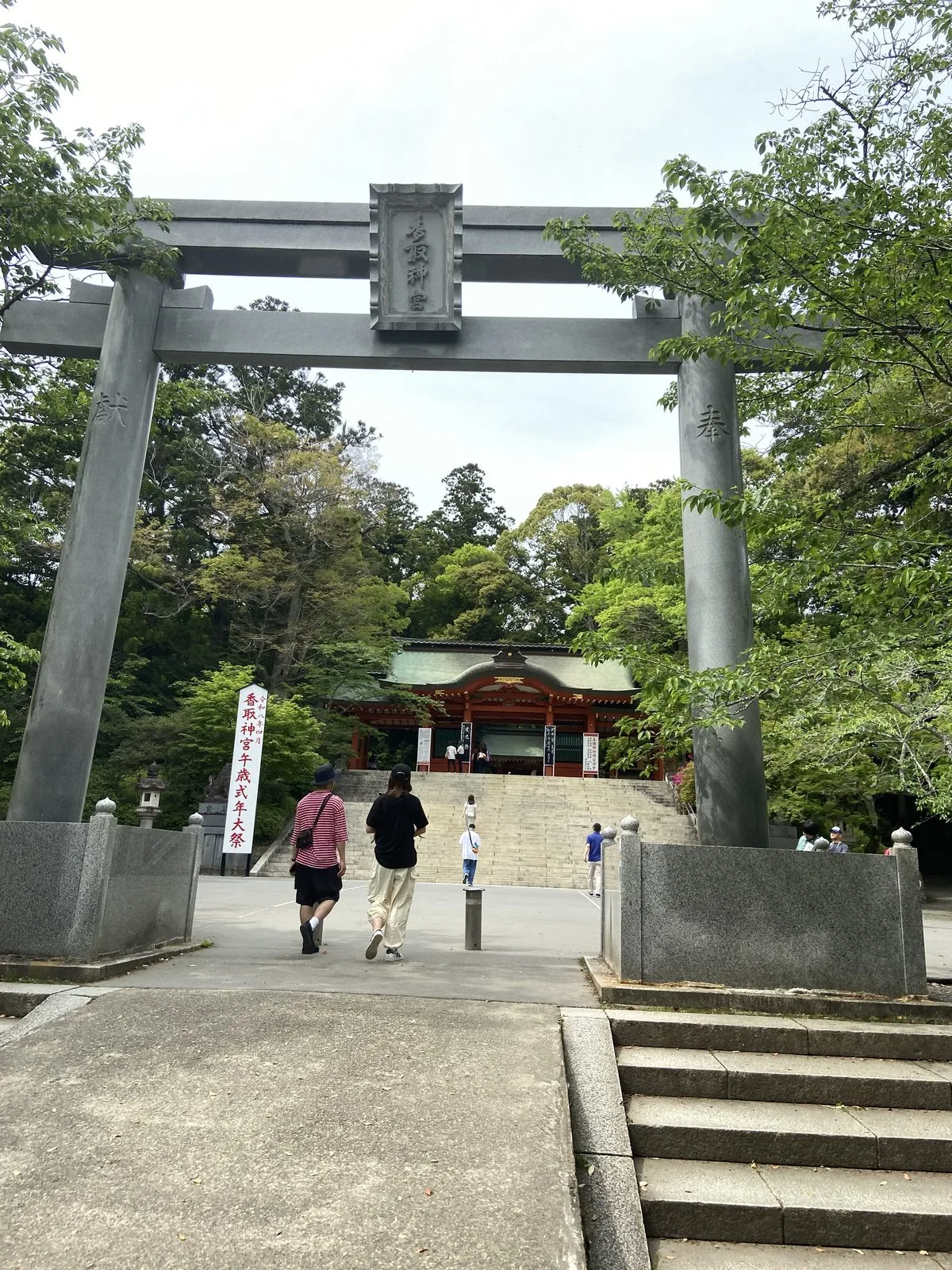
Through the great torii toward the gate. The banner announces April 2026’s once-in-twelve-years grand festival.
The main hall is bigger than you expect, dark cedar under a deep roof, and the day I went some ceremony was underway in front of it while visitors drifted around the edges. I drew an omikuji fortune and slotted it into the pouch from the abacus shop, which felt like the day tying itself in a bow.
One planning note: in April 2026 the shrine holds its Shikinen Jinko-sai, the grand procession staged once every twelve years, with thousands marching in period armor. If your trip lands then, rearrange it around this.
Sawara is the best half-day within reach of Narita Airport, and it is barely on the English-language map. Do the canal street, give Ino a nod, finish at Katori Jingu — and if you can, claim a bed in a merchant house and make it your first (or last) night in Japan. Day-tripping like I did? Start the morning in Choshi at the lighthouse and make the whole day of it.
Ride the tiny Choshi Electric Railway to Inubosaki Lighthouse: 99 spiral steps, a ¥300 ticket, big Pacific views — plus wet senbei and a sardine arrabbiata by the beach.
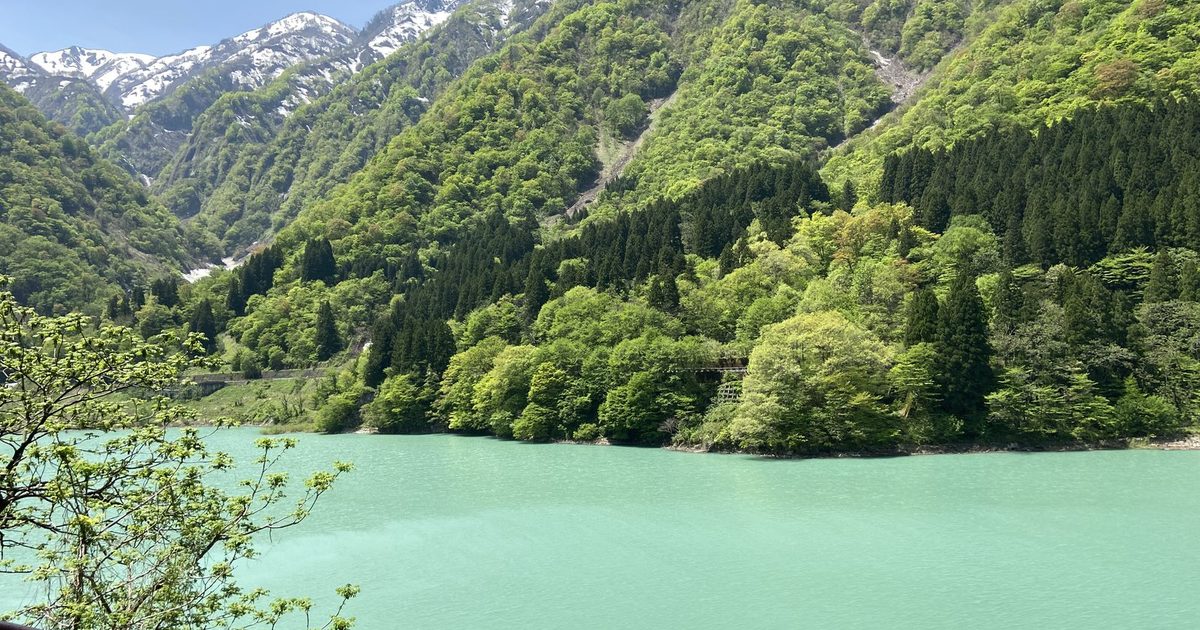
Riding Japan's best little mountain railway from Unazuki Onsen: emerald dam lakes, a castle in the gorge, firefly-squid shabu-shabu at the ryokan — and the full line reopens October 2026.
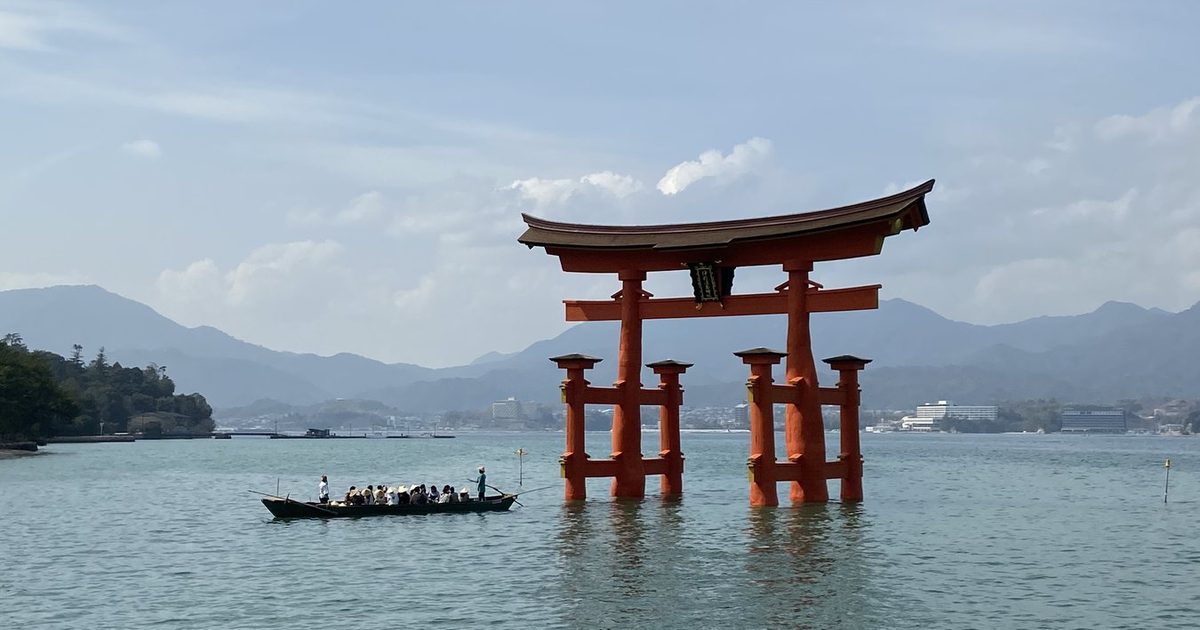
A Japanese local's lunch on Miyajima: the anago-oyster-roast-beef set at Mametanuki, piping-hot fried momiji from Momijido — and how much time the island really needs.