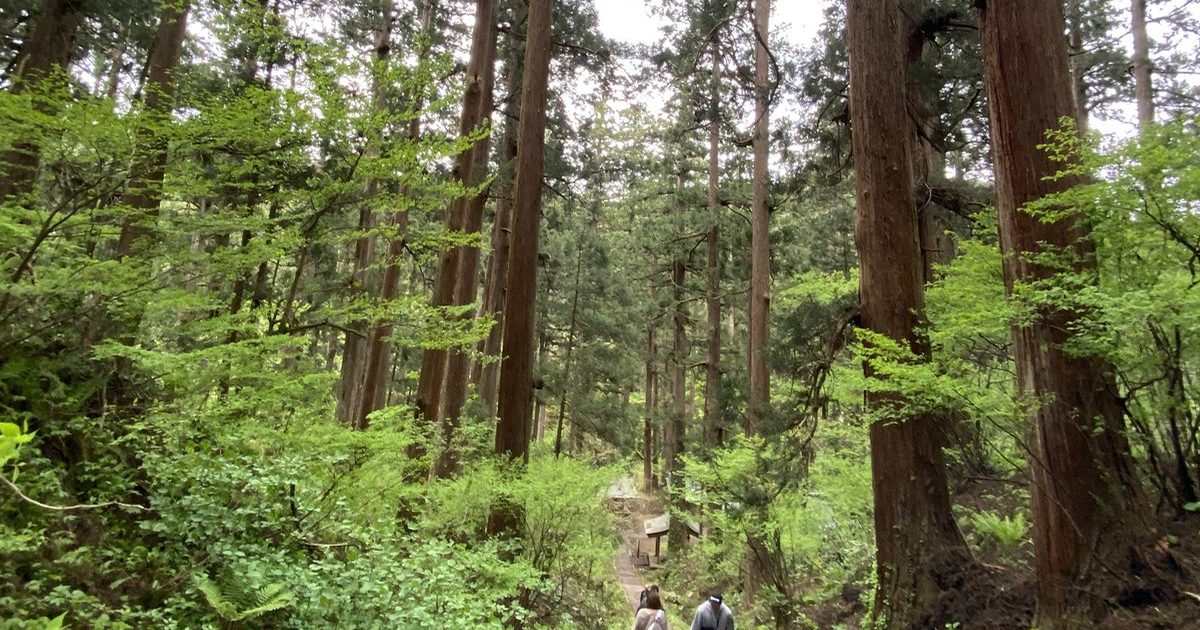
Mt. Haguro: The Stone Path Through Giant Cedars
You don't have to climb all 2,446 steps: the five-story pagoda and the giant-cedar approach are near the bottom — and a road runs to the summit shrine. A first-hand guide.
What Ginzan Onsen is really like — real costs, when the crowds arrive, where to eat, and whether the famous snowy night view is worth the effort to reach it.
Ginzan Onsen is the tiny Taisho-era hot spring town in Yamagata that you have probably already seen on Pinterest: wooden ryokan stacked along a narrow river, gas lamps glowing against the snow. I stayed a night there with my family in early May 2025 — right as Japan’s Golden Week holiday rush was kicking off — and this guide covers what the photos don’t: what it actually costs, when the day-trip crowds arrive and leave, and how to get there with or without a car.
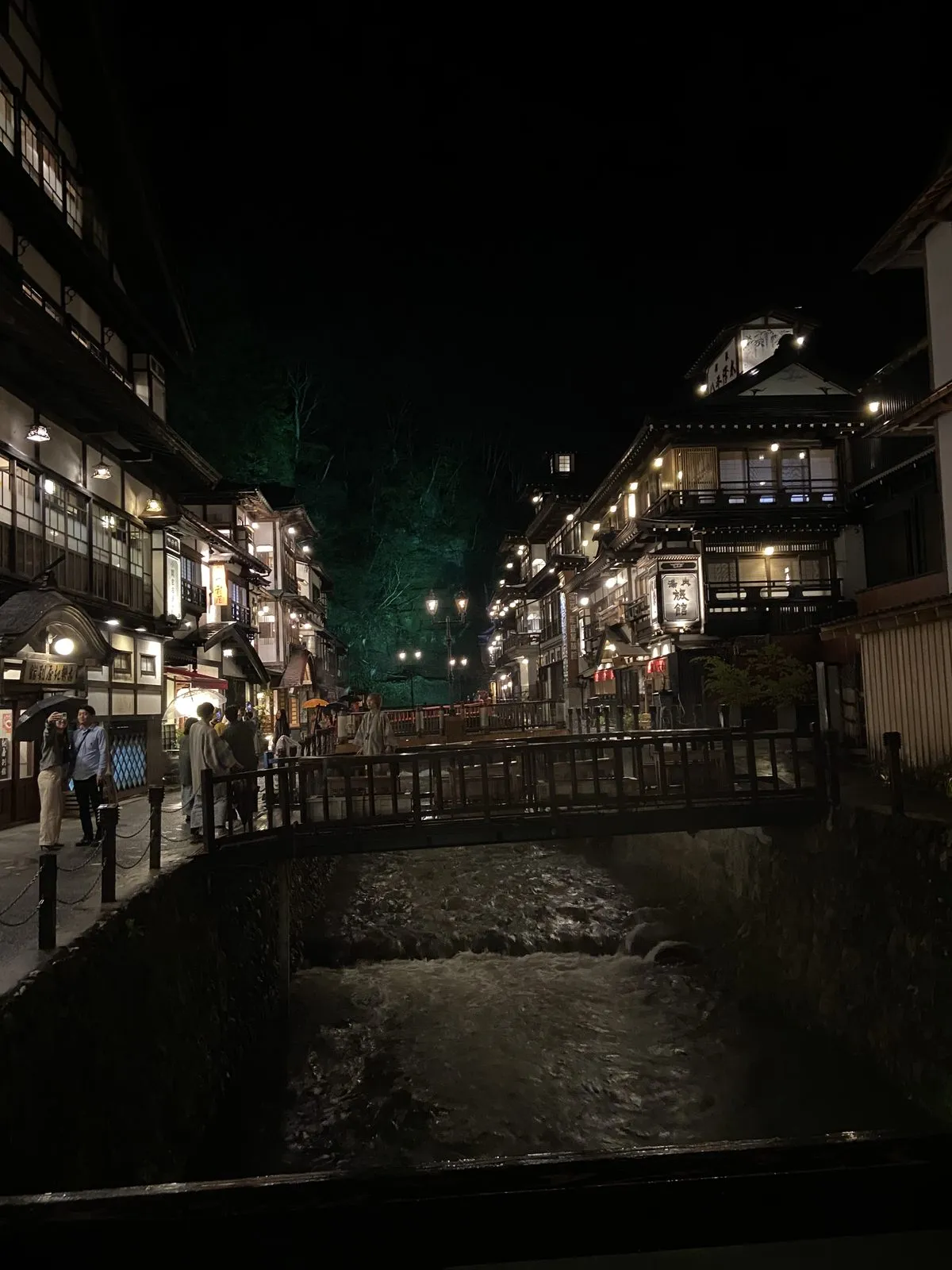
The street from the bridge just after 8:30pm — this is what the day-trippers miss.
| Where | Obanazawa, Yamagata Prefecture (Tohoku) |
| Overnight cost | I paid ¥34,650 per person with two meals and all-inclusive drinks; simpler plans run less |
| Day trip? | Possible from Sendai or Yamagata City, but the town is at its best after 5pm |
| Best season | December–February for the famous snow view; October for autumn colors |
| Nearest station | Oishida Station (Yamagata Shinkansen), then a 40-minute bus |
First, the name: Ginzan means “silver mountain.” This was a mining settlement centuries before it was a resort — the silver gave out back in the Edo period, the hot springs stayed, and after a flood wrecked the town in 1913 it was rebuilt all at once in the style of its day. That is why the street looks so uniformly, photogenically Taisho.
The entire town is about 450 meters of riverside walkway. That’s it. And that’s the point: there are no cars, no convenience stores in view, and when the gas lamps come on at dusk the whole street looks like a film set. (You will read everywhere that it inspired Spirited Away; Studio Ghibli has never confirmed this, so enjoy the resemblance and ignore the claim.)
Here is the thing the Instagram posts won’t tell you: most visitors are day-trippers, and they leave right before the town is at its best. I was there during Golden Week — Japan’s busiest travel stretch — and even then the street thinned out noticeably from around 6pm, leaving mostly overnight guests wandering in yukata under the lamps.
Go back out after dinner. Even in May the night air was cold enough that I wanted another layer, and there is a public footbath at the bridge a few steps from Kosekiya: you sit on the edge, feet in hot spring water, the gas-lit street glowing in front of you. That half hour is the entire reason to come.
Walk past the last ryokan and the paved path continues a few hundred meters to Shirogane Falls (白銀の滝), a 22-meter waterfall right at the edge of town. Most day-trippers photograph the ryokan street and never make it here. In winter the path can be icy — wear proper shoes, not the ryokan’s geta.
Options inside the town are few and close early, which surprises people.
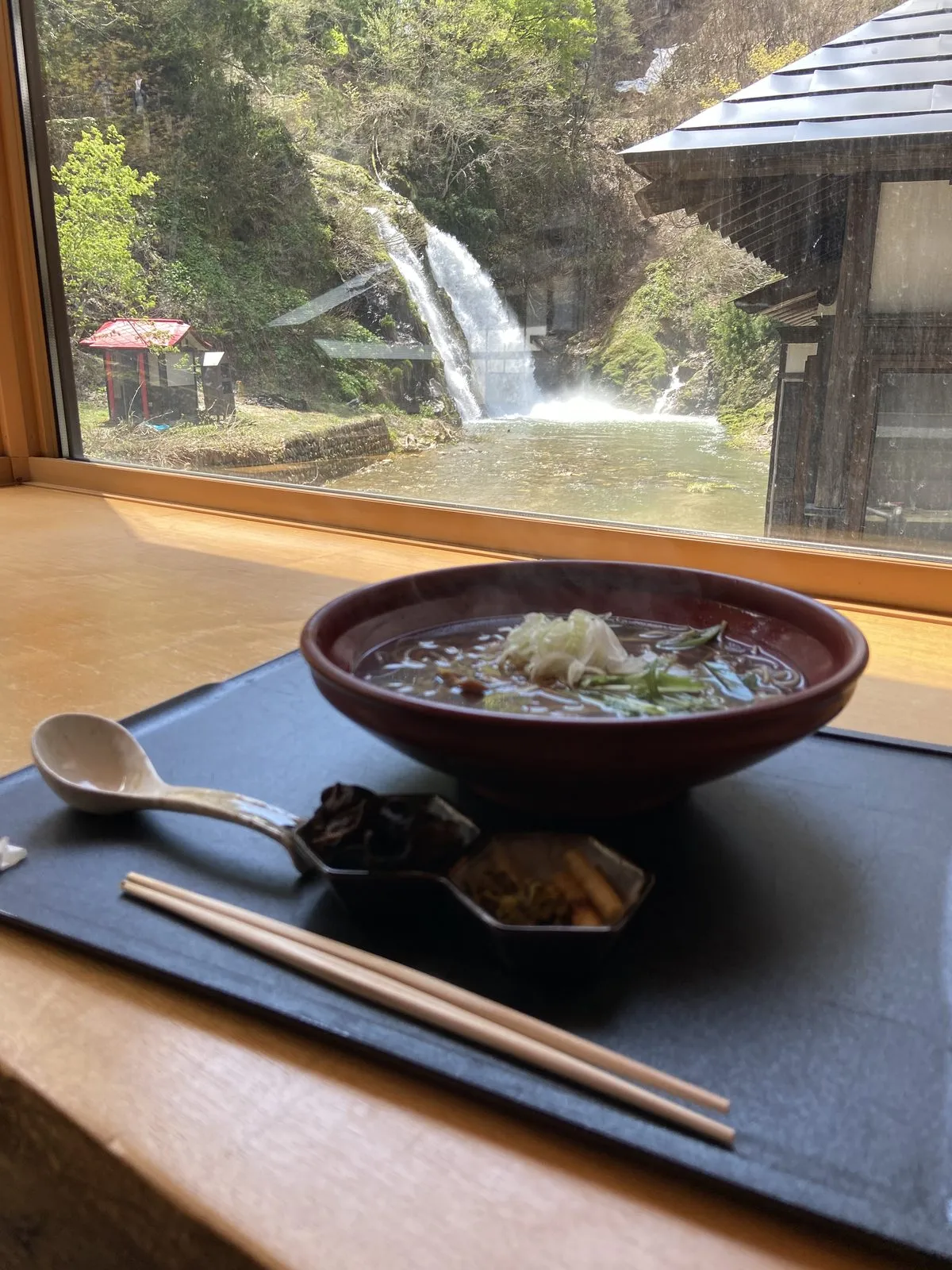
Duck soba at Takimikan — and yes, that is Shirogane Falls through the window.
The street has a handful of souvenir shops, worth a browse. My pick: a bookmark with the Ginzan townscape drawn on it. It is proof you made the trip, and it takes up no space at all in your bag.
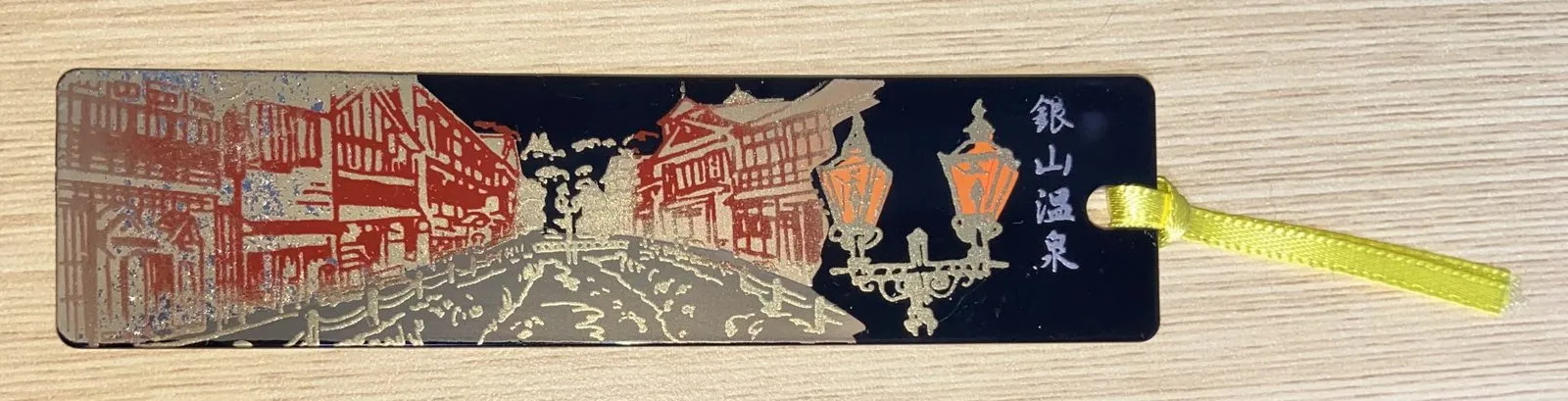
The bookmark in question — the whole town, small enough to live in a paperback.
I stayed at Kosekiya Bekkan (古勢起屋別館), one of the classic wooden ryokan right on the river. We had a spacious room overlooking the main street — the exact view you come to Ginzan Onsen for, gas lamps and all. It is a genuinely old building and the floors creak, but everything was spotless; the creaks are part of the deal, not a defect.
There are two indoor baths, on the properly hot side, and they swap between men’s and women’s on a timed rotation — so if you plan your soaks, you get to try both. And here is the underrated perk: Kosekiya belongs to the same group as Ginzanso (銀山荘), the large ryokan at the entrance to town, and Kosekiya guests can use Ginzanso’s baths as well — bigger, with an open-air rotenburo plus lying and standing baths. Two ryokan’s worth of hot water on one booking; it was one of the reasons we picked Kosekiya.
Dinner was a course of Yamagata specialties: imoni (the local beef-and-taro stew this prefecture is obsessed with), Yamagata beef, and rice good enough that the rice itself is what I still talk about. Our plan was all-inclusive — a soft-drink bar plus free-flowing alcohol, local sake included, at no extra charge. All of it came to ¥34,650 per person.
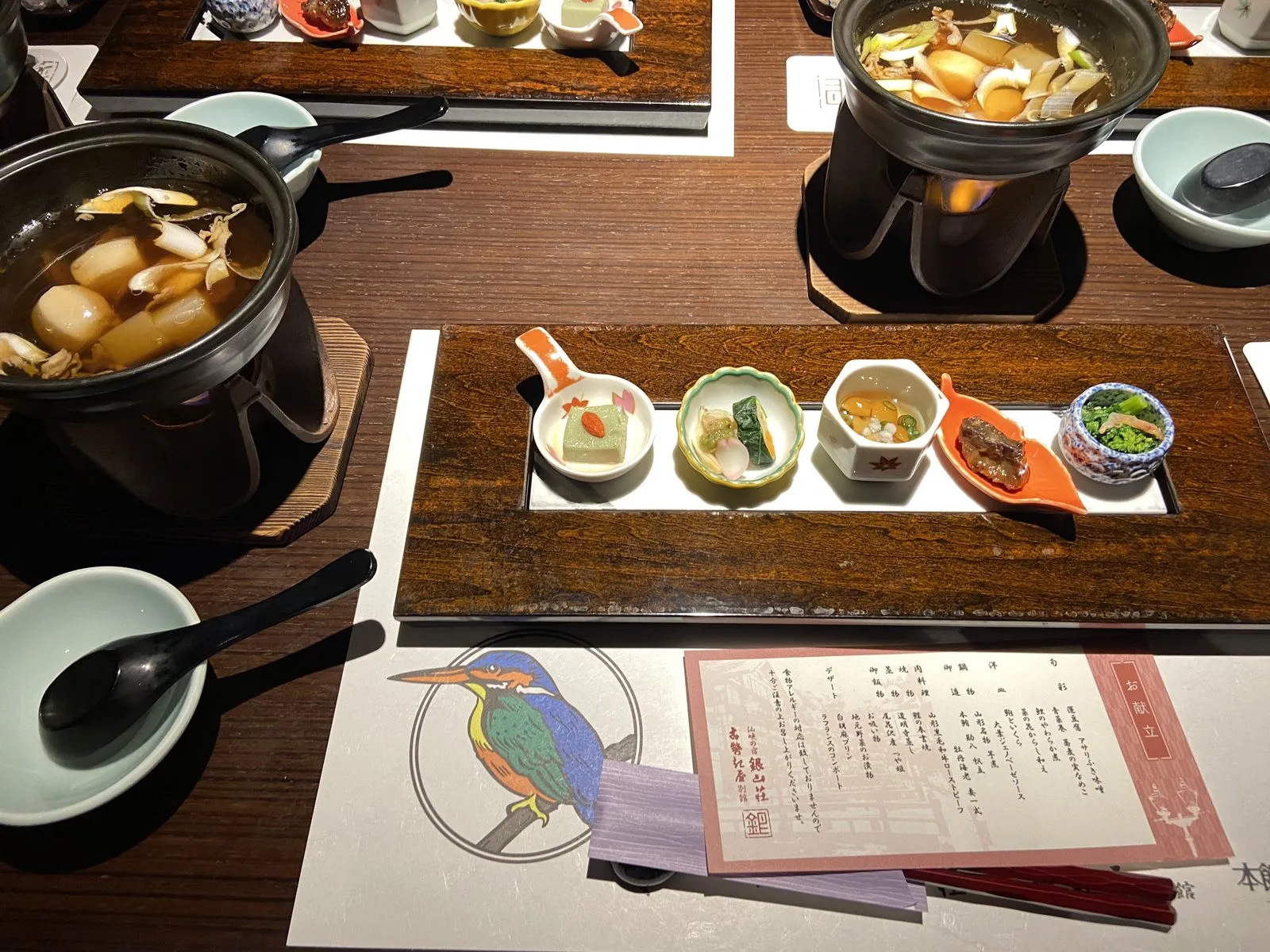
Dinner at Kosekiya: imoni bubbling over the flame, and the night’s lineup of small plates.
Booking reality: I booked two months ahead and got a room for a Golden Week night — but I would not count on that luck. Give it three to four months, and for the winter season more.
Booking note: the ryokan here are small, so winter dates sell out months ahead — for December to February, book 3–6 months out.
The postcard version of Ginzan Onsen — lamps glowing through falling snow — happens roughly December through February. That is also when rooms are hardest to get and access is at its most demanding: this is one of Japan’s designated heavy-snowfall regions, so driving in winter means proper winter tires, and many visitors sensibly switch to the train-and-bus route instead.
I went in early May, and here is the honest report: you lose the snow, you keep almost everything else. The valley is green, the lamps still come on at dusk, and the street after dinner is still the best hour of the trip — bring a layer, because even in May the night was cold. Autumn, from late October into November, trades snow for foliage on the slopes above the roofs.
If you can only come in the green months, come anyway. If your heart is set on the snow scene, book the winter room first and build the rest of the trip around it.
By car (how we went): the town street itself is pedestrian-only, but our ryokan had its own parking — check with yours when you book. Outside the snow months the drive is straightforward.
By train and bus: take the Yamagata Shinkansen to Oishida Station (about 3.5 hours from Tokyo), then the Hanagasa bus to Ginzan Onsen (about 40 minutes). Buses are timed to shinkansen arrivals but are not frequent — check the timetable before you set out. Some ryokan also run their own shuttle from Oishida Station for staying guests; ask yours when you book, which is the one reliable way to know.
If you are coming from Sendai instead, buses and local trains via Yamagata City work but take half a day; this is why I recommend the overnight stay rather than forcing a day trip.
If you go as a two-hour day trip in the middle of the day: honestly, you may wonder what the fuss was about — it’s one short street, and in the middle of the day it carries a steady crowd. If you stay the night, eat kaiseki in a hundred-year-old building, and walk the lamplit street after the day-trippers have gone: yes. It is one of the most atmospheric places in Japan, and it is in Tohoku, which means it is still nothing like the crowds of Kyoto.
You don't have to climb all 2,446 steps: the five-story pagoda and the giant-cedar approach are near the bottom — and a road runs to the summit shrine. A first-hand guide.
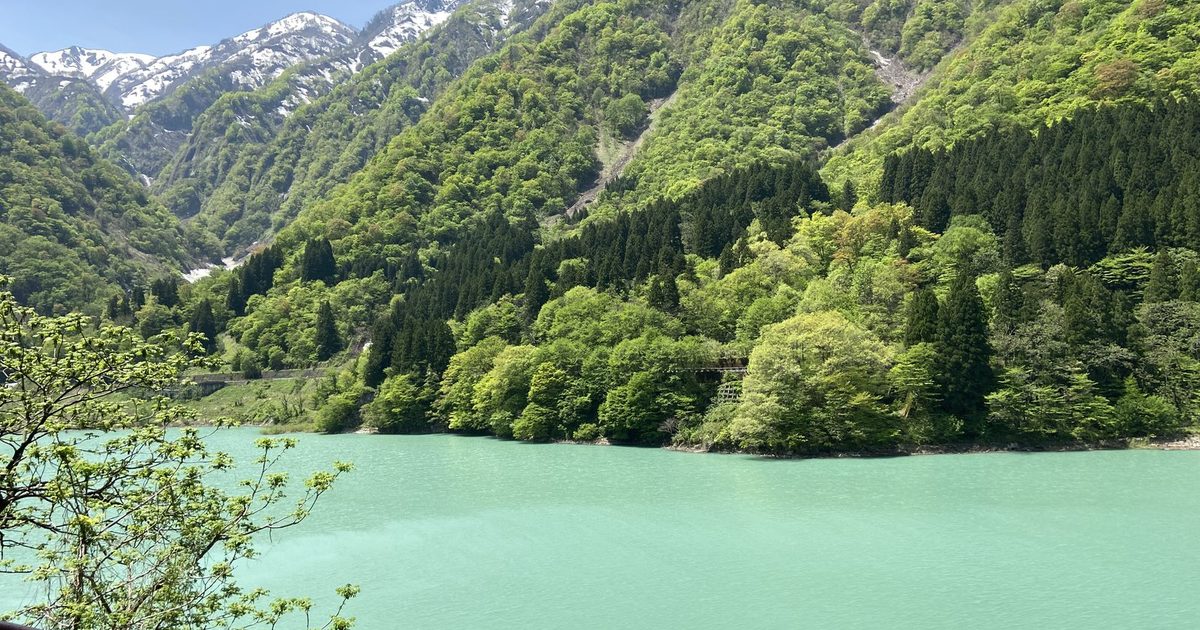
Riding Japan's best little mountain railway from Unazuki Onsen: emerald dam lakes, a castle in the gorge, firefly-squid shabu-shabu at the ryokan — and the full line reopens October 2026.
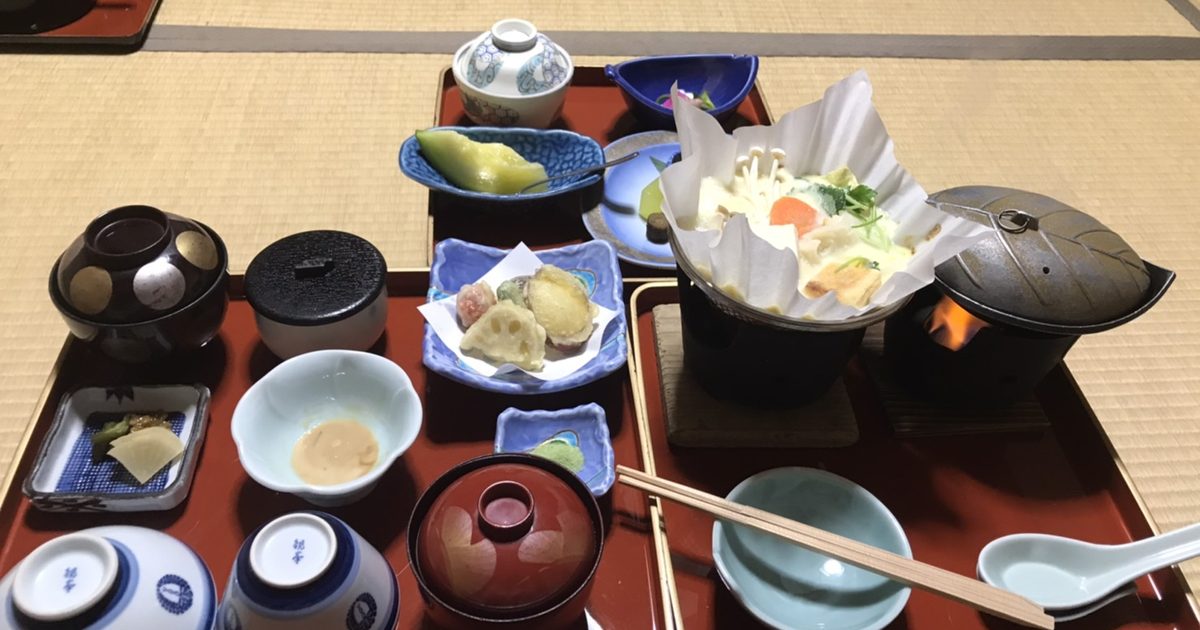
A first-hand account of staying overnight at Fukuchi-in, a Buddhist temple lodging (shukubo) on Mt. Koya — shojin ryori dinner, an onsen bath inside a temple, costs, and how to book.